


Teaching Inclusive History That Brings Students Together
Cultivating Historical Understanding Through America’s Diverse Stories, Shared Values, and Civil Discourse
Teaching Inclusive History That Brings Students Together
Cultivating Historical Understanding Through America’s Diverse Stories, Shared Values, and Civil Discourse
Teaching Inclusive History That Brings Students Together
Cultivating Historical Understanding Through America’s Diverse Stories, Shared Values, and Civil Discourse
Hello Conference Attendees!
Did you scan our QR code? Sign up to learn more here!
Hello Conference Attendees!
Did you scan our QR code? Sign up to learn more here!
Explore Our Curriculum
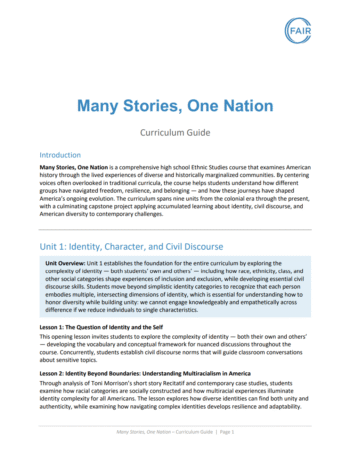
Many Stories, One Nation is a comprehensive high school Ethnic Studies course that examines American history through the lived experiences of diverse and historically marginalized communities. By centering voices often marginalized in traditional curricula, the course helps students understand how different groups have navigated freedom, exclusion, resilience, and belonging — and how these journeys have shaped America’s ongoing evolution.
The curriculum spans nine units from the colonial era through the present, with a culminating capstone project applying accumulated learning about identity, civil discourse, and American diversity — including racial inequality and exclusion — to contemporary challenges.
Explore Our Curriculum
Many Stories, One Nation is a comprehensive high school Ethnic Studies course that examines American history through the lived experiences of diverse and historically marginalized communities. By centering voices often marginalized in traditional curricula, the course helps students understand how different groups have navigated freedom, exclusion, resilience, and belonging — and how these journeys have shaped America’s ongoing evolution.
The curriculum spans nine units from the colonial era through the present, with a culminating capstone project applying accumulated learning about identity, civil discourse, and American diversity — including racial inequality and exclusion — to contemporary challenges.
A Curriculum Teachers Can Use
Assessed by Johns Hopkins University, aligned with state Ethnic Studies requirements
Student Experience
Confronting injustice, cultivating understanding, celebrating resilience
Student Experience
Confronting injustice, cultivating understanding, celebrating resilience
Learning to Navigate Polarization in Today's Classrooms
Schools across America face an unprecedented challenge: teaching inclusive, accurate
history while navigating intense political polarization
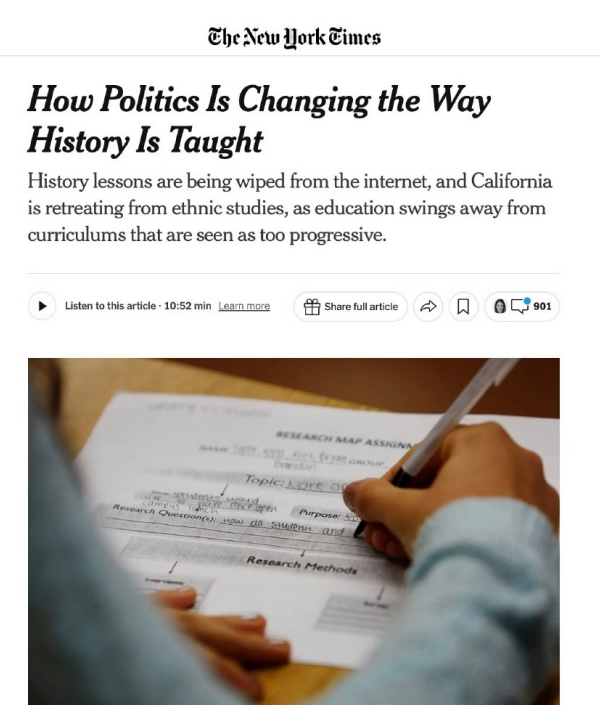
More than half of the teachers who responded said that political pressure had caused them to modify their curriculums or classroom discussions....
“Several major curriculum publishers have withdrawn products from the market, while others have found that teachers are shying away from lessons that were once uncontroversial, on topics as basic as constitutional limits on executive power.”
“More than half of the teachers who responded said that political pressure had caused them to modify their curriculums or classroom discussions....”
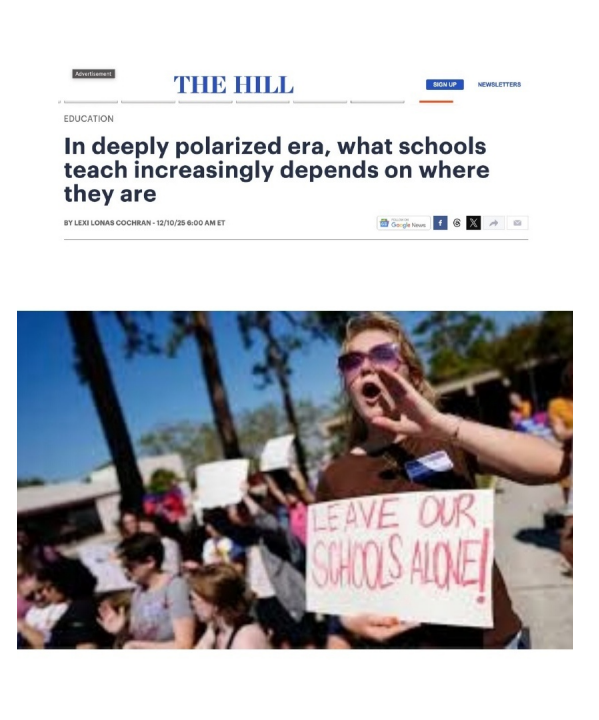
“Liberal and conservative stances on education are drifting
further and further apart, and the gap appears to be
widening…[b]oth Republicans and Democrats, however,
increasingly see classrooms as ideological battlegrounds.”
FAIR’s Many Stories, One Nation curriculum cuts through the noise — providing educators with a
rigorous, balanced approach that brings students together.
A Curriculum Teachers Can Use
Why it works
Meets CA and OR Ethnic Studies requirements and ELA Social Studies standards
Emphasizes civic education and prepares student to collaborate effectively in a diverse society
Poised for classroom adoption and district implementation. We offer materials and professional development support to educators
Curriculum Overview
Key Pedagogical Features
Identity Complexity: Moving beyond stereotypes to recognize multifaceted identities.
Civil Discourse Integration: Students learn steel-manning, star-manning, logical fallacy identification, and other methods for engaging across difference, in addition to active listening techniques and SLEW framework (Surprise, Learn, Engage, Win).
Competing Goods Framework: Students discover that most controversies involve legitimate but conflicting values, transforming how they understand others and process different perspectives.
Primary Source Analysis: Extensive engagement with historical documents, letters, speeches, and diverse voices.
Experiential Learning: Simulations, debates, and civil discourse forums allow authentic application.
What Makes This Approach Distinctive
Centering Marginalized Experiences with Multiple Tools for Justice: The curriculum centers the experiences of communities that have faced exclusion and systematic barriers to full democratic participation. Students examine how African Americans, Native Americans, Asian Americans, Latino/a Americans, women, immigrants, and other groups have navigated, resisted, and transformed systems of inequality. Rather than presenting a single narrative, the curriculum explores how different communities have used constitutional tools — alongside direct action, cultural resistance, and community organizing — to advocate for justice and full citizenship.
Acknowledging Structural Barriers: Students learn that America’s democracy has been shaped by ongoing tensions between democratic ideals and systematic exclusion. The curriculum directly addresses how economic interests, racial hierarchies, and structural inequalities have challenged — and continue to challenge — full democratic participation. By examining these barriers alongside the diverse strategies communities have employed to overcome them, students develop sophisticated understanding of both historical injustices and pathways toward greater equity.
Strategic Diversity in Justice Movements: Students examine how movements for justice have employed diverse strategies based on different analyses of power and different assessments of effectiveness. They analyze how leaders — from Frederick Douglass and William Lloyd Garrison to Martin Luther King Jr. and Malcolm X — offered different strategic visions while often invoking similar principles. Rather than asking which approach was “correct,” students analyze when and why different strategies proved effective in particular contexts, and how apparently opposing approaches often complemented each other in advancing justice.
Civil Discourse with Commitments to Justice: The curriculum develops students’ ability to engage productively with people holding different views while maintaining clear commitments to human dignity and democratic inclusion. Students learn that productive dialogue doesn’t require abandoning convictions about justice, but rather demands the ability to understand different perspectives, identify areas of potential agreement, and work strategically toward change. Students also explore how different communities facing various forms of exclusion have built coalitions to advance shared goals, analyzing what enabled diverse groups to work together effectively and what barriers prevented coalition formation.
Teaching Approach
Inquiry, discourse, and primary sources.
Many Stories, One Nation encourages students to engage with primary sources, multiple perspectives, and thoughtful discussion. Each unit includes:
- Essential Questions that frame student inquiry
- Primary Sources that bring historical voices to life
- Civil Discourse Exercises that develop skills for respectful dialogue Learning Activities that encourage active engagement
- Assessment Options that measure deeper understanding
Professional development workshops are available to help teachers implement this curriculum effectively, focusing on facilitating productive discussions around complex topics.
Curriculum Goals and Expected Impact
By the end of the course, students will be equipped to:
- Evaluate the tensions between unity and diversity throughout American history
- Analyze how different ethnic groups have contributed to and been shaped by American society
- Articulate the principles that underpin diversity and unity in America
- Apply historical understanding to contemporary challenges
- Engage productively in civil discourse across differences
- Develop their own perspectives on what it means to be American in a diverse society
Student Experience

Students will engage in:
- Primary Source Analysis: Students engage with primary sources, compare contrasting viewpoints on historical events, and analyze evolving interpretations of our founding documents.
- Historical Investigation: Students research demographic changes, map patterns of migration, and examine socio-economic forces that influenced immigration.
- Personal Connection: Students interview community members, research family histories and migration stories, and connect historical patterns to contemporary experiences.
- Creative Application: Students create visual representations of adaptation models, design proposals to address diversity challenges, and develop guidelines for civic engagement.

Students practice civil discourse by:
- Exploring Multiple Perspectives: Students examining diverse viewpoints on historical and contemporary issues, moving beyond binary thinking to understand nuanced positions.
- Building Evidence-Based Arguments: Students learn to support positions with factual evidence, primary sources, and historical context while distinguishing between facts, interpretations, and opinions.
- Practicing Respectful Engagement: Students demonstrate active listening, asking clarifying questions and responding to ideas rather than attacking individuals on emotionally charged topics.
- Identifying Shared Values: Students discover areas of common ground despite significant disagreements, focusing on shared principles that can unite diverse viewpoints toward constructive solutions.

What Students Gain
Exploration of Diverse Experiences
Examine how underrepresented groups experienced American history
Recognize both systemic barriers to equality and individual agency
Understand how groups leveraged democratic principles to advance equality and inclusion
Apply constitutional principles to evaluate current domestic social and political debates
Civil Discourse and Critical Thinking
Evaluate multiple interpretations of historical events using evidence
Cultivate skills for constructive engagement across political and cultural differences
Identify competing goods, recognizing that most controversies involve legitimate but conflicting values
Develop empathy without abandoning critical thinking
Civic Identity and Purpose
See themselves and their peers as part of a shared American story
Navigate diversity thoughtfully without cynicism or resentment
Understand their role as bridge-builders in a diverse democracy
Build confidence to participate meaningfully in democratic institutions and civic life
What Students Gain
Exploration of Diverse Experiences
Examine how underrepresented groups experienced American history
Recognize both systemic barriers to equality and individual agency
Understand how groups leveraged democratic principles to advance equality and inclusion
Apply constitutional principles to evaluate current domestic social and political debates
Civil Discourse and Critical Thinking
Evaluate multiple interpretations of historical events using evidence
Cultivate skills for constructive engagement across political and cultural differences
Identify competing goods, recognizing that most controversies involve legitimate but conflicting values
Develop empathy without abandoning critical thinking
Civic Identity and Purpose
See themselves and their peers as part of a shared American story
Navigate diversity thoughtfully without cynicism or resentment
Understand their role as bridge-builders in a diverse democracy
Build confidence to participate meaningfully in democratic institutions and civic life
Academic Recognition
FAIR’s curriculum utilizes excellent resources that contribute to both a meaningful knowledge build and a better understanding of civil discourse among its students... [T]he course highlights underrepresented voices in various periods of American history to give students a deeper and richer understanding of the era.
— The Johns Hopkins School of Education
FAIR’s 'Many Stories, One Nation' curriculum equips students to engage complexity with primary sources, competing interpretations, and rigorous reasoning. It treats identity with nuance, emphasizes civil discourse across difference, and prepares students for democratic life rooted in diversity, which is exactly what our students and our democracy need.
FAIR's 'Many Stories, One Nation' is an experiential ethnic studies curriculum designed to foster democratic citizenship in a pluralistic society. By prioritizing bridge-building and civil discourse, the program ensures students graduate with a cohesive, global perspective that emphasizes unity over division.
Students and teachers alike will be excited to dive into this curriculum. I believe it provides the template schools need to encourage rich and rewarding learning environments where people are valued as individuals living in a diverse society.
I loved the deep dive into the Declaration of Independence. I appreciated the different interpretation and perspective of this primary source. I feel more confident in teaching the Declaration.
FAIR’s 'Many Stories, One Nation' curriculum equips students to engage complexity with primary sources, competing interpretations, and rigorous reasoning. It treats identity with nuance, emphasizes civil discourse across difference, and prepares students for democratic life rooted in diversity, which is exactly what our students and our democracy need.
FAIR's 'Many Stories, One Nation' is an experiential ethnic studies curriculum designed to foster democratic citizenship in a pluralistic society. By prioritizing bridge-building and civil discourse, the program ensures students graduate with a cohesive, global perspective that emphasizes unity over division.
Students and teachers alike will be excited to dive into this curriculum. I believe it provides the template schools need to encourage rich and rewarding learning environments where people are valued as individuals living in a diverse society.
I loved the deep dive into the Declaration of Independence. I appreciated the different interpretation and perspective of this primary source. I feel more confident in teaching the Declaration.
Expertise
Our curriculum is crafted by an elite team of scholars and practitioners from institutions like Johns Hopkins, Harvard, and Arizona State University. They combine deep expertise in civic thought, education policy, and youth development with decades of classroom-tested experience in historical thinking. This multidisciplinary collaboration ensures a rigorous, evidence-based program that effectively fosters critical thinking and respectful discourse.
Our Team
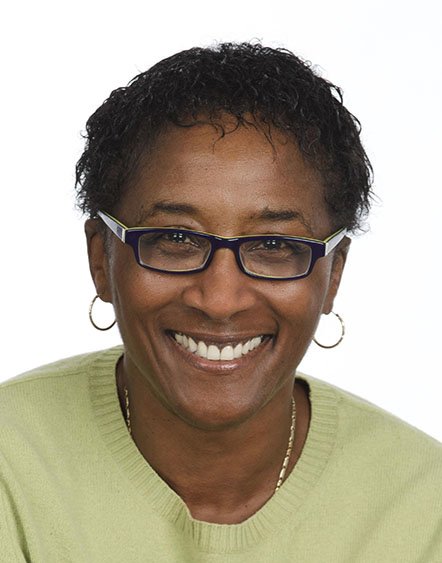
Monica Harris
Executive Director of FAIR, graduate of Harvard Law School, author of The Illusion of Division and a TEDx speaker. Provides visionary direction for FAIR's curriculum development.
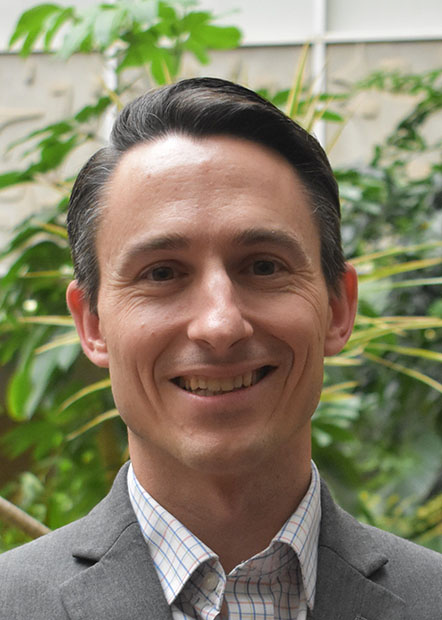
Monica Harris
Executive Director of FAIR, graduate of Harvard Law School, author of The Illusion of Division and a TEDx speaker. Provides visionary direction for FAIR's curriculum development.
- Phone:+1 (859) 254-6589
- Email:info@example.com
Dr. Adam Seagrave
Associate Professor of Civic and Economic Thought and Leadership at Arizona State University and a co- founder and co-director (with Dr. Stephanie Shonekan) of the Race and the American Story Project

Dr. Adam Seagrave
Associate Professor of Civic and Economic Thought and Leadership at Arizona State University and a co- founder and co-director (with Dr. Stephanie Shonekan) of the Race and the American Story Project
- Phone:+1 (859) 254-6589
- Email:info@example.com
Dr. David Ferrero
An independent education consultant and FAIR education fellow with teaching experience at the Universities of Michigan, Washington, and Drexel, Dr. Ferrero brings a unique perspective on educational transformation to the FAIR curriculum.
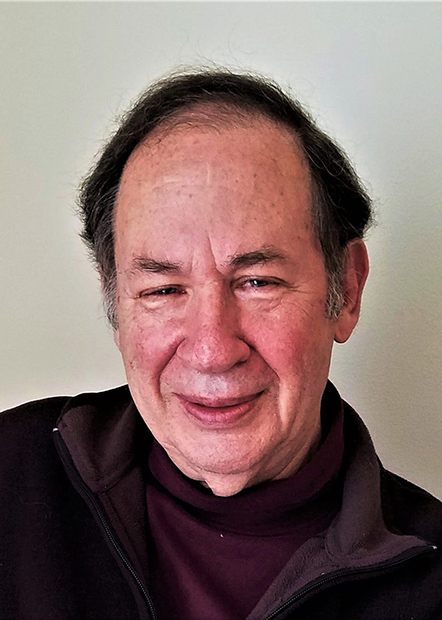
Dr. David Ferrero
An independent education consultant and FAIR education fellow with teaching experience at the Universities of Michigan, Washington, and Drexel, Dr. Ferrero brings a unique perspective on educational transformation to the FAIR curriculum.
- Phone:+1 (859) 254-6589
- Email:info@example.com
Jonathan Burack
A Harvard graduate with an M.A.T. degree, Jonathan created the acclaimed MindSparks history materials, focusing on primary source interpretation and historical thinking skills. His development of programs like History Unfolding and Debating the Documents has shaped how countless students engage with historical materials.
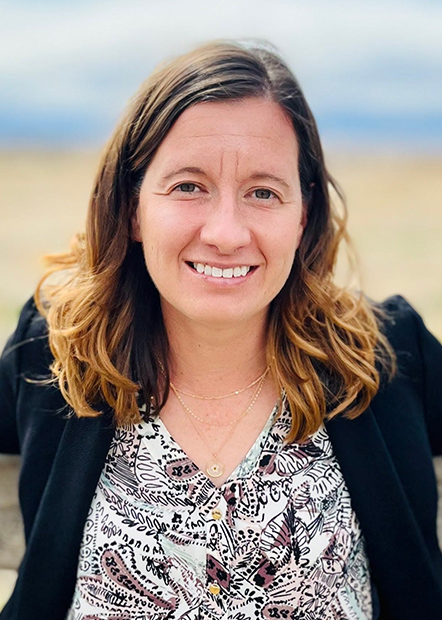
Jonathan Burack
A Harvard graduate with an M.A.T. degree, Jonathan created the acclaimed MindSparks history materials, focusing on primary source interpretation and historical thinking skills. His development of programs like History Unfolding and Debating the Documents has shaped how countless students engage with historical materials.
- Phone:+1 (859) 254-6589
- Email:info@example.com
Dr. Kobi Nelson
With a Ph.D. in Education and Human Development and two decades of educational experience, Dr. Nelson brings classroom-tested expertise to the Capstone portion of FAIR’s curriculum.
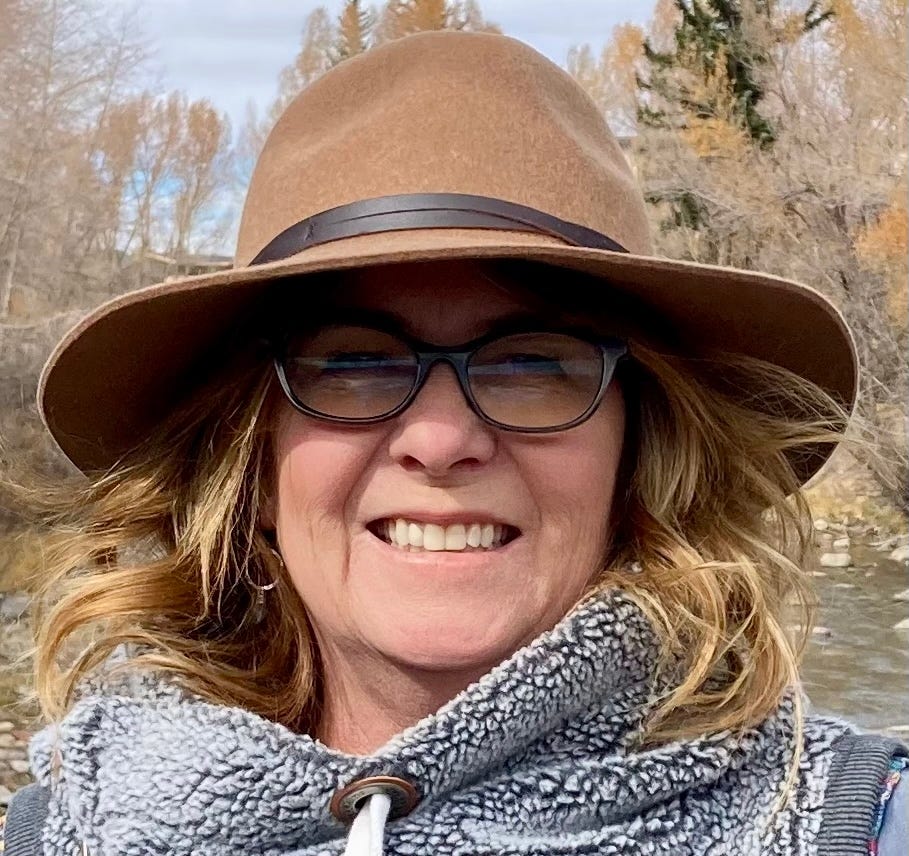
Dr. Kobi Nelson
With a Ph.D. in Education and Human Development and two decades of educational experience, Dr. Nelson brings classroom-tested expertise to the Capstone portion of FAIR’s curriculum.
- Phone:+1 (859) 254-6589
- Email:info@example.com
Lisa Gilbert
A seasoned public health professional with a Master’s degree from UCLA’s School of Public Health, Lisa Gilbert brings a unique perspective on youth development to FAIR’s team.
Lisa Gilbert
A seasoned public health professional with a Master’s degree from UCLA’s School of Public Health, Lisa Gilbert brings a unique perspective on youth development to FAIR’s team.
- Phone:+1 (859) 254-6589
- Email:info@example.com
Expertise
Our curriculum is crafted by an elite team of scholars and practitioners from institutions like Johns Hopkins, Harvard, and Arizona State University. They combine deep expertise in civic thought, education policy, and youth development with decades of classroom-tested experience in historical thinking. This multidisciplinary collaboration ensures a rigorous, evidence-based program that effectively fosters critical thinking and respectful discourse.
Our Team
Monica Harris
Executive Director of FAIR, graduate of Harvard Law School, author of The Illusion of Division and a TEDx speaker. Provides visionary direction for FAIR's curriculum development.
Monica Harris
Executive Director of FAIR, graduate of Harvard Law School, author of The Illusion of Division and a TEDx speaker. Provides visionary direction for FAIR's curriculum development.
- Phone:+1 (859) 254-6589
- Email:info@example.com
Dr. Adam Seagrave
Associate Professor of Civic and Economic Thought and Leadership at Arizona State University and a co- founder and co-director (with Dr. Stephanie Shonekan) of the Race and the American Story Project
Dr. Adam Seagrave
Associate Professor of Civic and Economic Thought and Leadership at Arizona State University and a co- founder and co-director (with Dr. Stephanie Shonekan) of the Race and the American Story Project
- Phone:+1 (859) 254-6589
- Email:info@example.com
Dr. David Ferrero
An independent education consultant and FAIR education fellow with teaching experience at the Universities of Michigan, Washington, and Drexel, Dr. Ferrero brings a unique perspective on educational transformation to the FAIR curriculum.
Dr. David Ferrero
An independent education consultant and FAIR education fellow with teaching experience at the Universities of Michigan, Washington, and Drexel, Dr. Ferrero brings a unique perspective on educational transformation to the FAIR curriculum.
- Phone:+1 (859) 254-6589
- Email:info@example.com
Jonathan Burack
A Harvard graduate with an M.A.T. degree, Jonathan created the acclaimed MindSparks history materials, focusing on primary source interpretation and historical thinking skills. His development of programs like History Unfolding and Debating the Documents has shaped how countless students engage with historical materials.
Jonathan Burack
A Harvard graduate with an M.A.T. degree, Jonathan created the acclaimed MindSparks history materials, focusing on primary source interpretation and historical thinking skills. His development of programs like History Unfolding and Debating the Documents has shaped how countless students engage with historical materials.
- Phone:+1 (859) 254-6589
- Email:info@example.com
Dr. Kobi Nelson
With a Ph.D. in Education and Human Development and two decades of educational experience, Dr. Nelson brings classroom-tested expertise to the Capstone portion of FAIR’s curriculum.
Dr. Kobi Nelson
With a Ph.D. in Education and Human Development and two decades of educational experience, Dr. Nelson brings classroom-tested expertise to the Capstone portion of FAIR’s curriculum.
- Phone:+1 (859) 254-6589
- Email:info@example.com
Lisa Gilbert
A seasoned public health professional with a Master’s degree from UCLA’s School of Public Health, Lisa Gilbert brings a unique perspective on youth development to FAIR’s team.
Lisa Gilbert
A seasoned public health professional with a Master’s degree from UCLA’s School of Public Health, Lisa Gilbert brings a unique perspective on youth development to FAIR’s team.
- Phone:+1 (859) 254-6589
- Email:info@example.com